 Slopcouver
Applied research from a game of Vancouver built from open data
Slopcouver Labs
Slopcouver is a free browser game of Vancouver built from the City's open data. Making it means answering practical questions about city data, imagery and the web, so we run them as experiments and publish them here.
Each write-up states a falsifiable hypothesis, the method (data, models and tools with versions and licences, the hardware, the time it took), the measured results, the limitations, and a verdict: supported, not supported or inconclusive. Negative results are reported as plainly as positive ones. Every page ends with what the result is good for (for the game, for city maps, for planners, for other cities) and how to repeat it.
Our ground rules: open data and open-licence models where we can, credited properly; hardware a small team can own (one desktop with a six-year-old GTX 1060 6 GB, a Mac, an iPad); and no personal information. Street photos taken for measurement stay private: only the measurements, drawn in the game's own style, are published.
Experiments
-
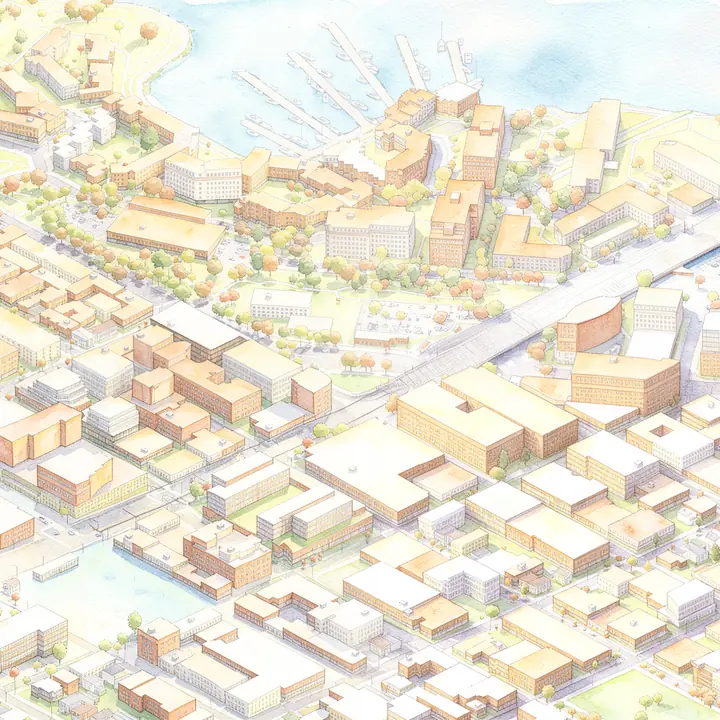
Open models painting an isometric city
Can an open-licence image model on a six-year-old 6 GB graphics card repaint our 3D city map in a new style, tile by tile, without moving the buildings or showing the tile seams?
-
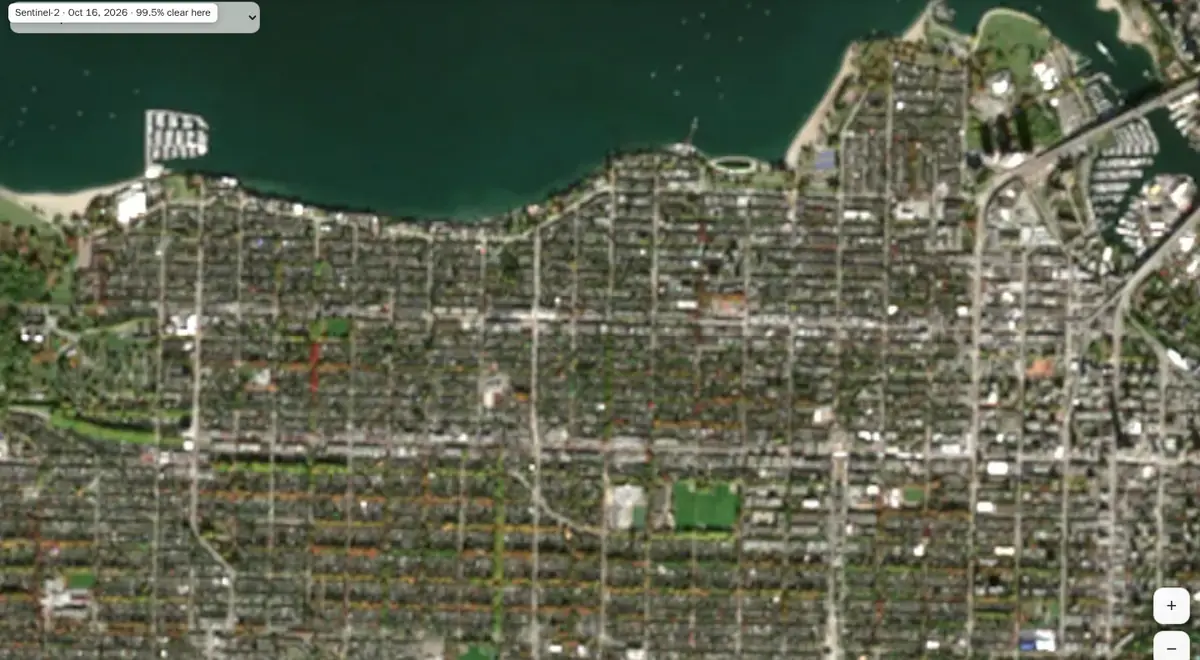
Sentinel-2 satellite layer
Can free Copernicus Sentinel-2 imagery give a city map a dated, refreshable satellite view that lines up with the City's own aerial photos, and is the catalogue's cloud figure a reliable way to pick a pass?
-
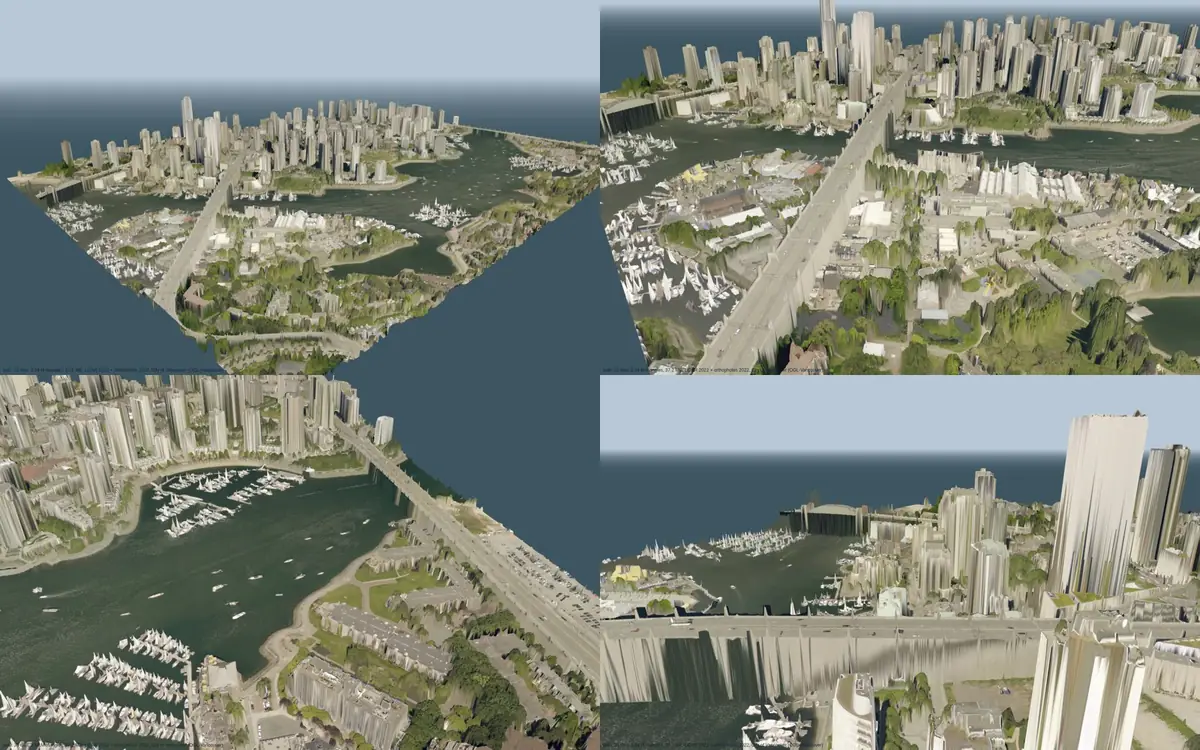
LiDAR photo mesh of False Creek
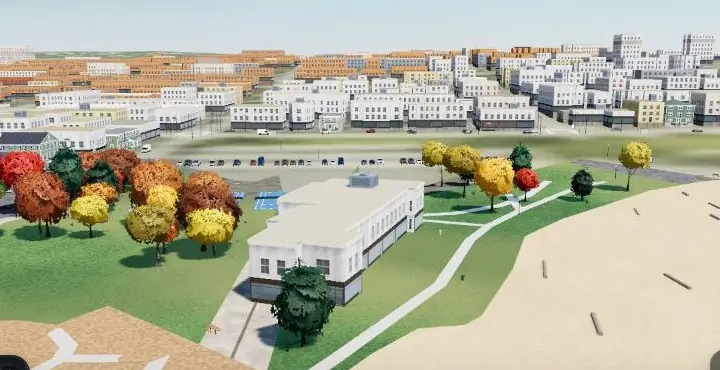
Can the City's open LiDAR and orthophotos alone make a photoreal aerial view of a neighbourhood that is small and fast enough for a web game?
-
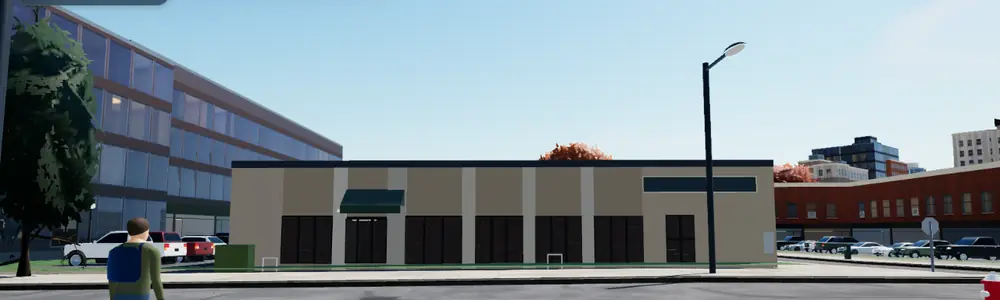
Measured facades from street captures
Can a few phone photos of a building be turned into a measured facade spec, accurate to centimetres, that the game draws in its own style without publishing a single pixel of the photos?
-
Where a web game's memory goes on iOS
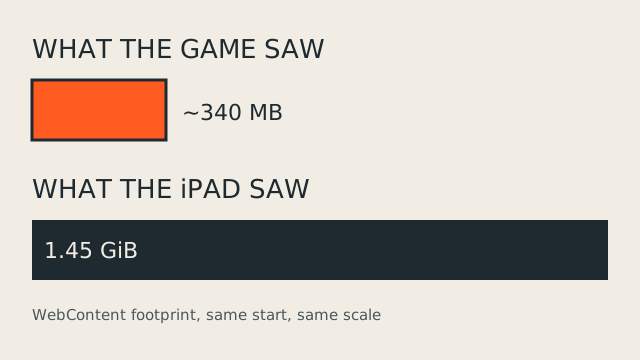
Our game said it used about 340 MB; the iPad said the page used 1.45 GiB. Where does the other billion bytes go, and what should a web game measure instead?
-
Baking a city offline for a faster start
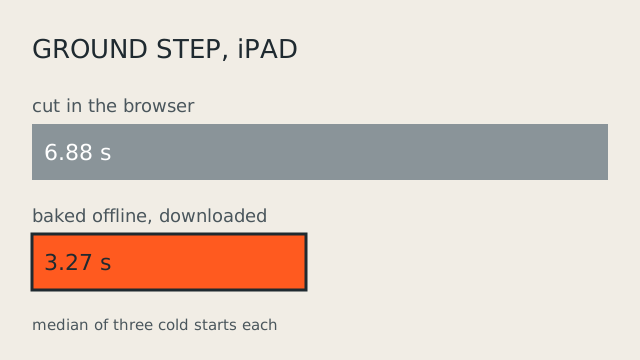
If a browser game cuts its ground to the terrain on every start, can that work be done once on a server and downloaded instead, and does it actually make an iPad start faster?
-
Rebuilding the ground from LiDAR
The game's ground was 3.5–6 m too high and inconsistent between districts. Can every height grid be rebuilt from the City's LiDAR ground returns, on one datum, without opening seams or leaving objects floating?
No experiment matches both filters.
Changelog
- Rebuilding the ground from LiDAR: shipped. The new ground is live in the game as Release 143 ("Solid ground"), with the final seam figures.
- Labs opens with seven write-ups: open models painting an isometric city, the Sentinel-2 satellite layer (with four follow-up experiments started), a LiDAR photo mesh of False Creek, measured storefronts from street captures, where a web game's memory goes on iOS, baking a city offline for a faster start, and rebuilding the ground from LiDAR.